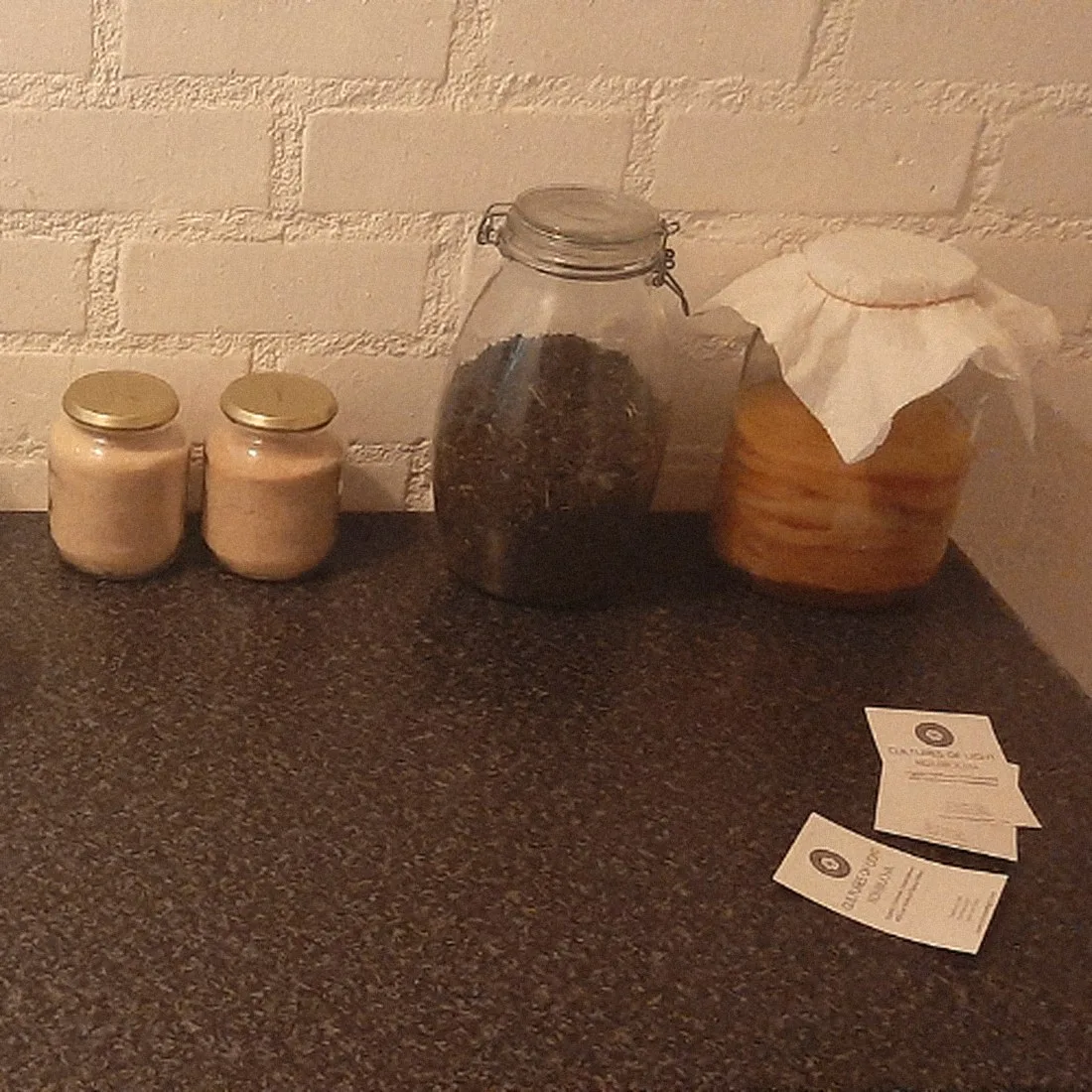
Unpasteurised and pasteurised kombucha
Live cultures, heating and diluting are three different things. We explain how they differ.
 Order kombucha
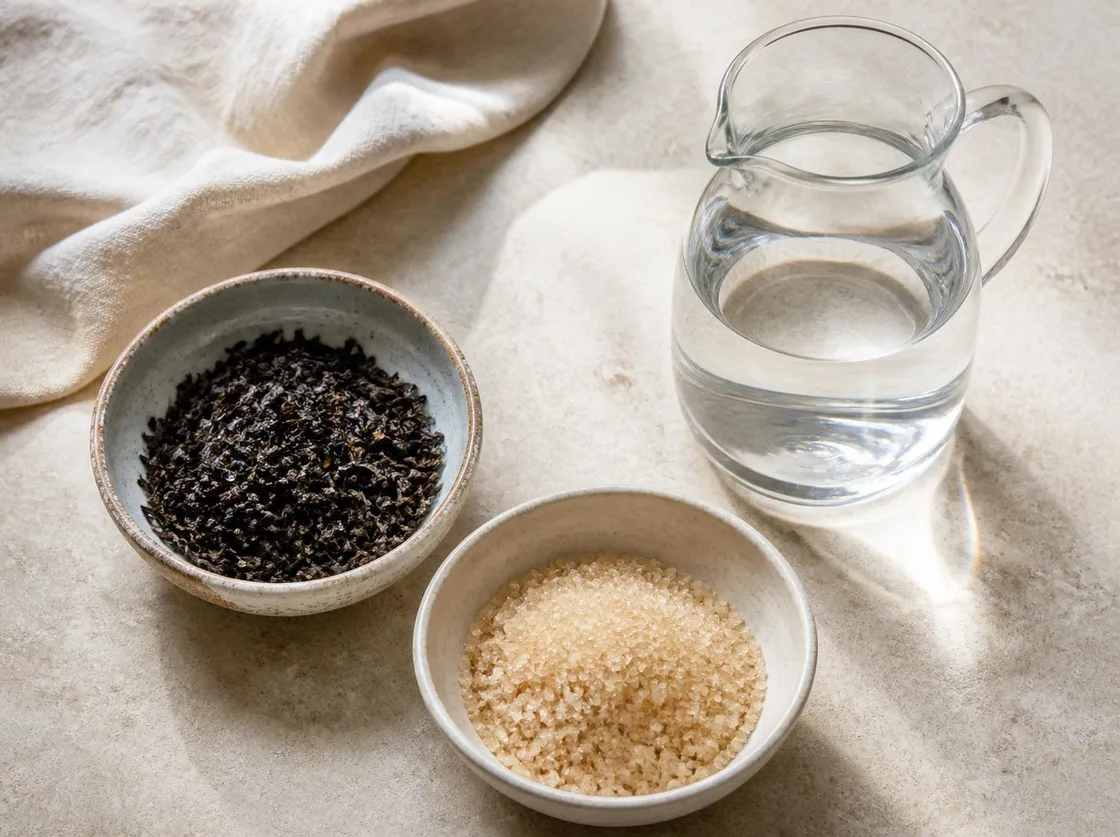
Kombucha starts with tea, water and sugar. Add a live culture, and during fermentation that sweet tea turns into a drink with a fresh, tangy taste. So it's much more than cold tea with bubbles. Even after all these years, we still find it special to watch.
In fermentation, micro-organisms convert substances into other substances. In kombucha, bacteria and yeasts work together. Some of the sugar turns into other substances, including organic acids. Those give kombucha its characteristic tangy taste.
The culture is often called a SCOBY: Symbiotic Culture Of Bacteria and Yeast. You'll see a layer form in the brewing pot, but the culture is in the liquid too. You can read more about it in our article on what a SCOBY is.
The cane sugar we use is part of the brewing process. The culture uses some of it during fermentation. That doesn't mean all the sugar disappears, or that every kombucha is sugar-free.
Want to know how much sugar is in our bottle? Have a look at the nutrition information on our product page: 2.7 g per 100 ml of undiluted kombucha, and a fifth of that in your mixed glass.
The tea, the culture and the way of brewing differ from maker to maker. Mixing and added flavours also change what you taste. That's why you can come across two bottles that both say kombucha and taste completely different.
We brew with first flush Darjeeling black tea. We bottle our kombucha unpasteurised and undiluted. The live cultures stay in, and the taste is nice and bold.
You mix our kombucha with water at home. Start with 50 ml of kombucha and 200 ml of sparkling water, and you have a 250 ml glass. Taste it, and see whether you want it stronger or milder.
That way one bottle is the base for a whole lot of glasses. At this ratio, 0.5 L makes 2.5 L of drink, and 1 L makes 5 L. You add the water yourself.
See our kombucha or read how to mix it.
Source: Kombucha and Jun, BCCDC
Live cultures, heating and diluting are three different things. We explain how they differ.
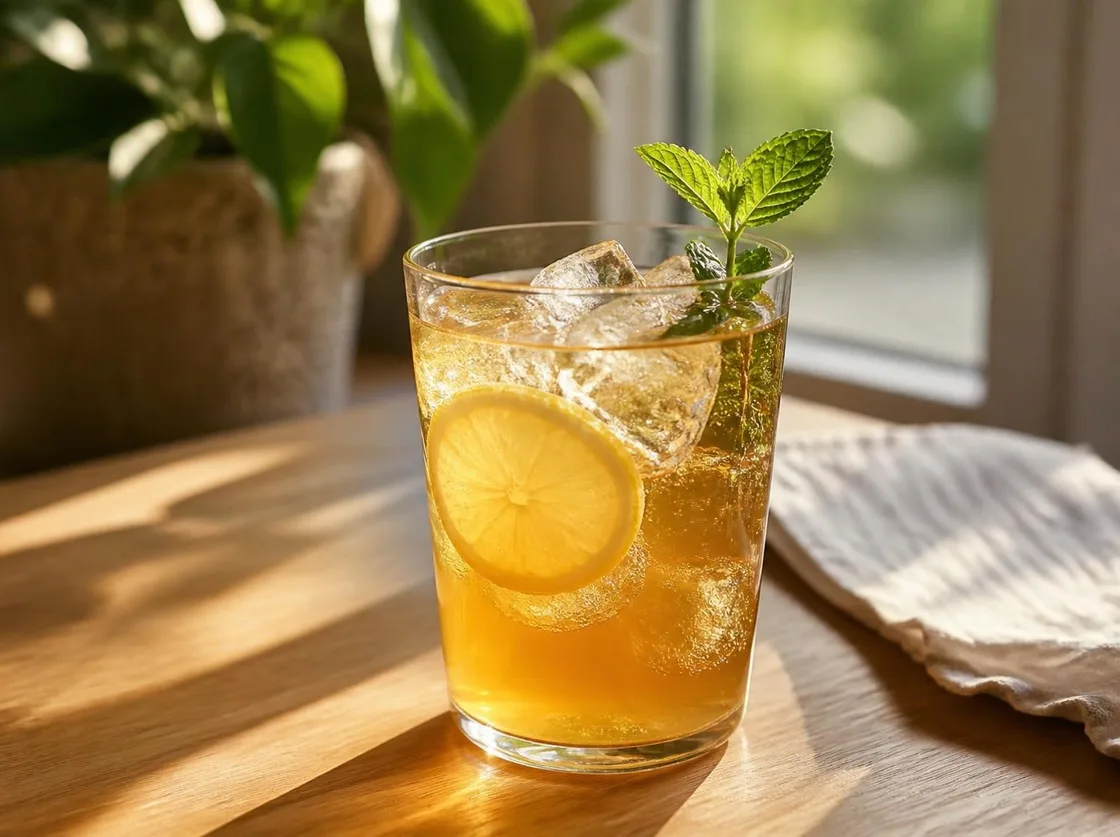
Straight from the bottle it's bold. Add water and you decide how it tastes in your glass.
It is more than the disc you see in the pot. Meet the culture behind our kombucha.